Health Benefits of Sapota: Why Chikoo is a Great Energy Fruit
Sapota, or chikoo as we usually call it, is one of those fruits that quietly sits in the background. Not very flashy, not something people hype up much. But once you start eating it regularly, you kind of notice the difference. It does its job without trying too hard.
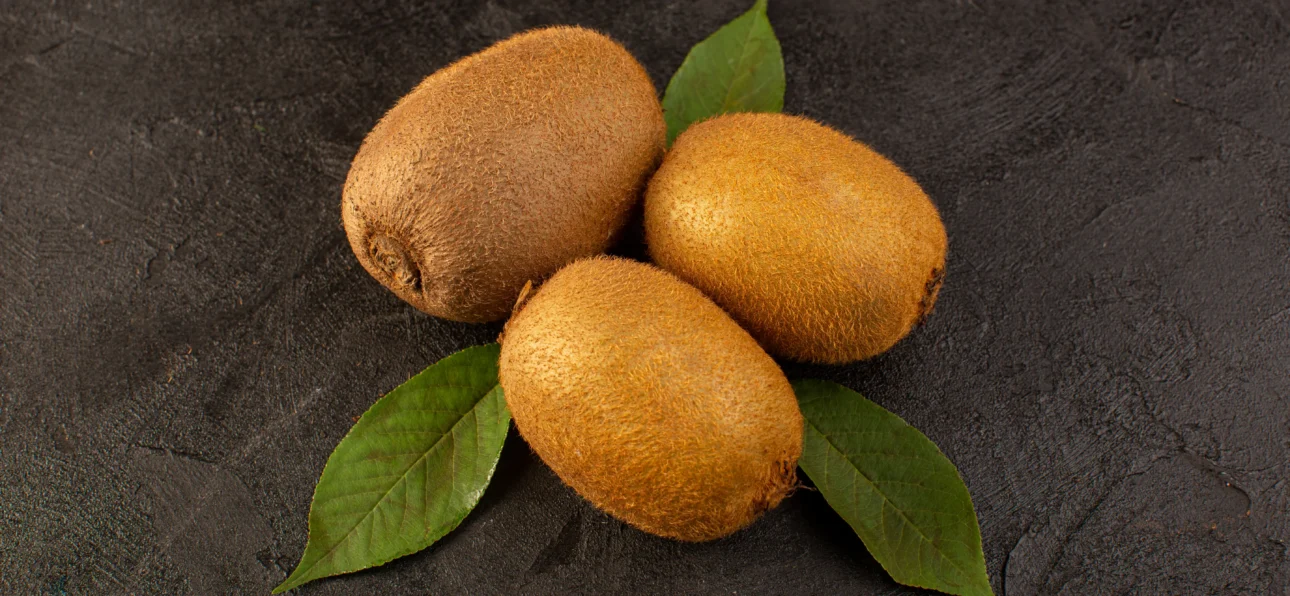
On the outside, it looks pretty plain. Brown, slightly rough. Inside, though, it’s soft, sweet, and honestly a bit comforting. The taste is rich, almost like a mild caramel. And unlike sugary snacks, it doesn’t leave you feeling drained after a while. It’s more steady, I think.
A Quick Introduction to Sapota
Sapota is a tropical fruit, and it grows best in warm regions. That’s probably why it’s so common across India, especially in places where the climate stays fairly humid and sunny.
The texture is soft with a slight graininess, but in a good way. It’s easy to eat, no complicated cutting or preparation needed. You just slice it open, remove the seeds, and that’s pretty much it.
What makes sapota interesting isn’t just the taste. It’s the way it combines natural sweetness with useful nutrients. It’s not something people label as a “superfood,” but in everyday life, it fits in quite naturally.
Nutritional Benefits That Actually Matter
Sapota doesn’t try to overwhelm you with extreme nutrition claims. Instead, it offers a balanced mix of what your body needs regularly.
It includes:
- Natural sugars like fructose and sucrose
- Dietary fiber
- Vitamin C
- Vitamin A
- Minerals like potassium and iron
Individually, these are common. But together, they support your body in a steady way. Not dramatic, not instant. Just consistent.
Sometimes I feel fruits like chikoo get overlooked because they’re too familiar. But if you actually pay attention, they’re doing quite a bit behind the scenes.
A Natural Source of Energy
One of the more noticeable things about sapota is how it helps with energy. If you often feel low between meals or keep reaching for tea or snacks, adding sapota might help a little. The natural sugars provide energy, but not in a sudden rush. It’s slower, more even.
You eat one or two fruits, and you feel satisfied. Not overly full, not restless. Just okay enough to continue your day.
It works well for kids, people who are physically active, and even those who spend long hours sitting at work. It’s a small change, but it adds up.
Supports Digestion with Its Fiber Content
Sapota is also quite helpful when it comes to digestion. The fiber content supports regular bowel movement and helps keep your system stable. If someone deals with mild digestion issues now and then, this fruit can be a simple addition to their routine.
It’s also soft and easy on the stomach, which makes it suitable for most people, including older adults.
Something is reassuring about foods that don’t irritate your system. Sapota tends to be one of those.
Good for Skin and Immunity
Sapota contains antioxidants and Vitamin C, which contribute to overall skin health and immune support.
Now, it’s not like you’ll see visible changes overnight. That’s rarely how natural foods work. But over time, regular intake can support better skin and help your body handle everyday stress a bit better.
From what I’ve noticed, people who include fruits like chikoo in their daily diet often feel slightly more balanced. Maybe fewer small health issues here and there.
It’s subtle, but noticeable if you stick with it.
Simple Ways to Enjoy Sapota
The easiest way to eat sapota is fresh. Just cut it open and scoop out the pulp. No extra steps.
If you want a bit of variety, you can try:
- Smoothies: Blend sapota with milk for a thick, naturally sweet drink
- Desserts: Use it in puddings or mix it into fruit bowls
- Milkshakes: A classic option, quite filling and satisfying
Still, eating it raw is usually the best option. You get the full taste and nutrition without adding anything unnecessary.
Sapota from Natural Farms
This is where things start to matter a bit more.
Sapota grown in natural farming conditions tends to taste better. The sweetness feels more balanced, not too sharp or artificial.
Also, fruits from these farms are generally handled with more care. Less chemical exposure, more natural ripening. It makes a difference, even if it’s not always obvious at first.
In regions like Kerala, you can still find farmers who grow sapota in a more traditional way. The fruits may not look perfectly polished, but that’s often a good sign.
Where to Find Good Sapota
If you’re planning to Buy Fresh Chikoo (Sapota) Online, it’s worth paying attention to where it comes from.
A few things to look for:
- Direct sourcing from farms
- No chemical ripening
- Quick delivery after harvest
Sapota is quite delicate. If it’s stored for too long, the texture changes and the taste drops. Freshness really matters here.
So choosing the right source is just as important as choosing the fruit itself.
Final Thoughts
Sapota isn’t something people usually get excited about. It’s simple, familiar, and easy to ignore. But maybe that’s what makes it reliable.
It offers natural sweetness, steady energy, and gentle support for your body. Nothing extreme, nothing exaggerated.
If you’re trying to eat better in a way that feels practical, adding sapota is a small step that actually makes sense. Not perfect, not instant, but consistent.
If you want fresh, naturally grown fruits with better taste and quality, Kales Agro is a trusted choice. Buy fresh Chikoo (Sapota) online from Kales Agro and enjoy farm-fresh goodness delivered with care.