From Farm to Table: Our Journey!
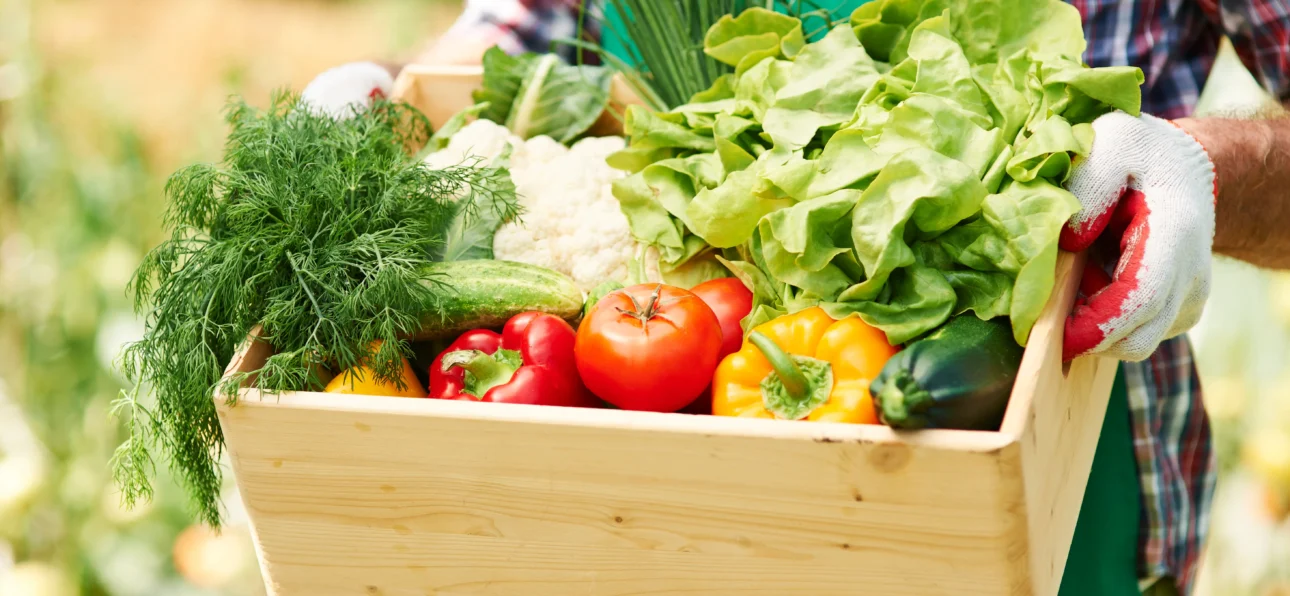
There’s something reassuring about opening a box of fresh fruits or vegetables and still catching that just-harvested smell. Not the cold, storage-like smell you sometimes notice in supermarket produce, but something fresher, almost earthy. At Kales Agro, that feeling matters to us more than anything else. Our journey from farm to table is not just about moving products from one place to another. It’s about protecting freshness, keeping things natural, and making sure people receive food the way it was meant to be enjoyed.
It sounds simple when you say it quickly. But honestly, a lot happens between planting a seed and delivering produce to someone’s kitchen.
Where Everything Begins
Every product starts at the farm, obviously, but the process behind it is slower and more careful than many people expect. We work closely with farming methods that focus on natural growing practices instead of rushing crops with heavy chemical use. From what we’ve seen over the years, healthier soil usually leads to better produce. The difference shows in taste, texture, even how long the fruits stay fresh after harvest.
Some crops take longer than expected because farming rarely follows a perfect schedule. Rain arrives late sometimes. Sunlight changes. Certain fruits grow beautifully one season and become unpredictable the next. That’s just farming. But perhaps that unpredictability is also what keeps natural agriculture real and honest.
The goal has always been straightforward – grow food in a way that respects both the land and the people eating from it.
Growing Naturally Takes Patience
Natural farming is not the fastest route. In fact, it can be frustrating at times. Crops need closer observation, soil needs continuous care, and farmers have to stay involved every single day. But the result feels worth it.
At Kales Agro, fruits and crops are grown with attention to balance rather than shortcuts. Instead of focusing only on appearance, we care about ripeness, flavour, and freshness. Sometimes naturally grown produce may not look perfectly shaped, and honestly, that’s okay. Real food rarely looks factory-made.
We’ve noticed that customers are becoming more aware of this too. People want produce that feels authentic, not something polished beyond recognition. There’s a growing appreciation for food that still carries signs of where it came from.
And maybe that connection matters more now than ever.
Harvesting at the Right Time
Harvesting is one of the most important parts of the journey. Timing changes everything. Pick too early, and the flavour never fully develops. Pick too late, and freshness becomes harder to maintain during transport.
So harvesting is usually done carefully, often in smaller batches instead of rushing through entire fields all at once. Farmers inspect the crops, check ripeness naturally, and select produce that is ready for delivery. It’s a process that depends heavily on experience. You can’t always measure freshness through machines alone.
Morning harvests are often preferred because the produce is naturally cooler and retains moisture better. Small details like this may sound minor, but they really do affect quality later.
Fresh produce is delicate. People sometimes underestimate that.
Sorting and Packaging With Care
After harvesting comes sorting. This stage is less glamorous, maybe, but it’s necessary. Fruits and vegetables are checked for quality, freshness, and overall condition before they move forward for packing.
Not every piece looks identical, and honestly, we don’t think that should be the expectation anyway. Natural produce has variation. Still, damaged or overripe items are separated to maintain consistency for customers.
Packaging is handled carefully to reduce bruising and unnecessary pressure during transport. Some fruits require extra cushioning, while leafy vegetables need proper airflow to stay fresh longer. Different crops behave differently after harvest, so packaging methods are adjusted accordingly.
There’s no single formula that works for everything. Farming teaches flexibility very quickly.
Keeping Freshness Intact
Maintaining freshness after harvest is probably one of the biggest challenges in the farm-to-table process. Produce continues changing even after it’s picked. Temperature, humidity, transport time – all these factors matter more than most people realize.
That’s why storage and handling are managed with close attention. The idea is not just to preserve appearance but to retain natural taste and nutritional value as much as possible. Fresh produce should still feel alive when it reaches customers.
Sometimes people ask why farm-fresh products taste different. Usually, it comes down to time. The shorter the gap between harvest and delivery, the better the produce tends to taste. It’s not complicated, really, though maintaining that speed consistently takes planning.
We try to keep the journey short and efficient without compromising quality along the way.
Delivering Directly to Customers
Once the produce is packed and ready, the final step is delivery. This part connects everything together. Farmers, harvest teams, packers, transport workers – everyone contributes to getting fresh products safely into customers’ homes.
There’s something satisfying about knowing the produce reaches families while still fresh from the farm. Maybe that sounds sentimental, but after spending so much effort growing and handling crops carefully, seeing them appreciated feels meaningful.
Today, more people prefer convenience without sacrificing quality. That’s one reason many families now choose to buy farm fresh products online in India rather than depending entirely on produce that may have spent long periods in storage or transit.
Fresh food simply feels different when it arrives with its natural flavour and texture still intact.
Why Farm-Fresh Food Matters
Farm-fresh food is not only about taste, though taste is definitely part of it. Freshly harvested produce often retains better texture, aroma, and overall quality compared to items stored for extended periods. You can notice it while cooking sometimes. Vegetables hold their colour better. Fruits feel juicier. Even simple meals seem more satisfying.
There’s also something comforting about knowing where food comes from. People are becoming more thoughtful about what they eat and how it reaches them. That awareness encourages healthier choices, not through strict rules, but through small everyday decisions.
And honestly, when food feels natural and fresh, eating well becomes easier.
Conclusion
The journey from farm to table involves much more than transportation. It begins with careful cultivation, continues through harvesting and packaging, and ends only when fresh produce reaches customers in the best possible condition. Every step matters because freshness can be lost quickly if handled carelessly.
If you prioritise natural foods Kales Agro is the best choice for you. Natural Farm Fresh Products that are grown, handled, and delivered with genuine care can make everyday meals feel a little better, a little fresher, and perhaps more connected to nature itself.