
Life of a Farmer: Daily Routine on the Farm!
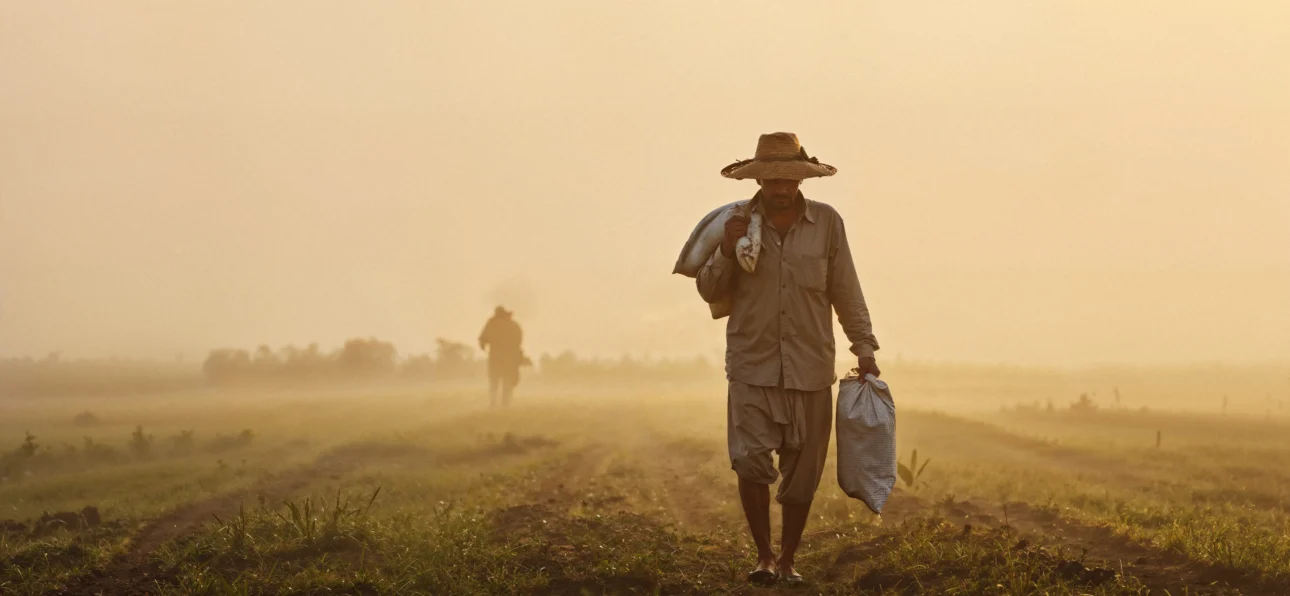
A look into the daily life of a farmer and the hard work behind growing healthy food.
Most people see farming as calm and simple. Green fields, fresh vegetables, quiet mornings, maybe a tractor moving slowly in the distance. It does look peaceful sometimes. But real farm life is usually much more demanding than people imagine. A farmer’s routine starts early, ends late, and honestly, there’s always something waiting to be done.
Growing healthy food takes patience more than anything else. Farmers deal with changing weather, water shortages, insects, rising costs, and uncertain market prices almost every season. Still, they continue working because farming is not just work for many families in India. It’s part of life itself. Some farmers have been doing this since childhood, learning directly from parents and grandparents while growing up around fields and crops.
Early Morning Farm Activities
The day on a farm normally begins before sunrise. In villages and farming areas, many farmers wake up around 4 or 5 in the morning. The air is cooler then, and it becomes easier to finish important outdoor work before the heat increases later in the day.
Morning activities depend on the type of farm and season. Some farmers start by feeding cattle or checking stored equipment. Others go straight to the fields to inspect crops after the night. Sometimes strong rain, wind, or even wandering animals can damage plants without warning.
Tea in one hand, tools in the other – that’s a pretty common scene on Indian farms, actually. There’s rarely a slow start. Work begins immediately because crops follow their own timing. Farmers cannot postpone watering, harvesting, or plant care simply because they feel tired that day.
Checking Crops and Irrigation
After reaching the fields, farmers spend time observing crop conditions carefully. This is one of the most important parts of the daily routine. Healthy plants usually show clear signs, while weak crops often reveal problems early through dry leaves, uneven growth, or color changes.
Irrigation checks are equally important. Water needs differ from crop to crop, and farmers have to manage it properly to avoid waste. Too little water affects growth, but excessive watering can damage roots and reduce crop quality. So there’s always some balance farmers try to maintain.
In many farms across India, irrigation methods have changed over the years. Some still depend heavily on rainfall, while others use drip systems, pumps, or canals to distribute water. Experienced farmers often understand field conditions almost instinctively. They can walk through soil once and roughly know whether the crop needs water that day or not. That kind of knowledge usually comes from years of working directly on the land.
Soil and Plant Care
Good farming always starts with healthy soil. Farmers spend a lot of time preparing land before planting begins because weak soil can create problems throughout the season. Compost, organic matter, natural fertilizers, or nutrient mixtures are commonly added to improve soil quality and support plant growth.
Plant care continues daily after seeds are planted. Farmers remove weeds, loosen soil around roots, and monitor whether plants are growing evenly. Weeds may look harmless from far away, but they absorb nutrients and water meant for crops. So controlling them becomes necessary.
Some farmers now prefer natural farming methods, while others combine traditional and modern practices together. Different approaches work for different farms. Honestly, there isn’t always one perfect method. Weather, soil condition, budget, and crop type all influence farming decisions.
The condition of soil directly affects the vegetables and fruits people later consume. Fresh produce usually comes from farms where consistent care happens every single day, not only during harvest season.
Pest and Disease Management
Protecting crops from pests and diseases is another major responsibility farmers handle regularly. Insects, fungal infections, and plant diseases can spread very quickly if not noticed early. Farmers constantly inspect leaves, stems, and fruits for unusual spots, holes, or discoloration.
Some use natural methods like neem oil sprays or homemade remedies. Others depend on approved treatments when infestations become serious. The decision often depends on crop conditions and how widespread the issue has become.
Monsoon season can be especially difficult because moisture encourages fungal growth in many crops. Farmers may need to act fast to prevent large-scale damage. Missing even a few days can sometimes reduce the entire harvest quality.
A lot of people think farming mainly involves physical labor. It definitely requires hard work, but there’s also continuous observation involved. Farmers make practical decisions daily based on weather changes, soil condition, plant health, labor availability, and market demand. It’s more complicated than it appears from outside.
Harvesting Fruits and Vegetables
Harvesting is probably the most rewarding stage for farmers. After weeks or months of effort, crops finally become ready for collection. But harvesting also requires careful timing because freshness matters a lot, especially for vegetables and fruits.
Many farms in India still harvest produce manually. Workers carefully pick vegetables, separate ripe produce, and avoid damaging delicate crops during collection. Tomatoes, spinach, cucumbers, and leafy vegetables need extra attention because they spoil faster if handled roughly.
Most harvesting happens early in the morning while temperatures remain lower. Produce stays fresher for longer during transportation that way. Farmers often work quickly during harvest days because delays can affect quality and selling price.
Today, more customers prefer to buy fresh farm vegetables online in India because they want cleaner produce, better freshness, and direct access to farm-grown food. In some ways, this shift has helped smaller farmers reach customers beyond local markets too.
Preparing Produce for Market
Harvesting may finish by afternoon, but the work still continues afterward. Farmers sort vegetables and fruits based on size, appearance, and quality before sending them to markets. Fresh produce needs proper cleaning, packing, and storage to reduce spoilage during transport.
Packaging methods vary depending on the crop. Some vegetables are packed in baskets or crates, while softer fruits require more protective handling. Even small mistakes during packing can damage produce before it reaches customers.
Local vegetable markets remain important for many farmers, though online delivery systems and supermarkets are growing quickly now. Prices can change daily depending on supply, season, transportation cost, and demand. Sometimes farmers earn decent profits, and sometimes they struggle despite months of effort. That uncertainty is difficult, honestly, but it’s still part of farming life.
Importance of Farmers in Food Supply
Farmers quietly support everyday life in ways people often overlook. Every fruit, vegetable, grain, and spice reaches homes because someone spent months growing it with care and patience. Without farmers, food supply systems simply would not function properly.
Their contribution goes beyond farming alone. Agriculture supports rural jobs, local businesses, transport systems, and traditional livelihoods across India. Farming also helps maintain a connection between people and the land, which perhaps matters more than we realize nowadays.
The next time fresh vegetables arrive at the dining table, it’s worth thinking about the long process behind them. Early mornings in the fields, constant monitoring, physical labor, changing weather, and endless responsibility – all of it plays a role in bringing healthy food to people every day.
Conclusion
Farmers may not always receive enough appreciation for the work they do, but their role in everyday life is impossible to ignore. Behind every healthy meal, there are months of effort, careful planning, physical labor, and patience that often go unseen. Farming is not just about growing crops. In many ways, it is about feeding families, supporting communities, and keeping traditional knowledge alive for future generations.
As more people now look for cleaner, healthier, and naturally grown produce, choosing a trusted source becomes important too. If you are searching for farm fresh products, Kales Agro is a great choice for natural and farm fresh products that are grown and handled with genuine care and quality in mind.