Buy Pure Honey Online in India: How to Check If Honey Is Really Pure
You’re scrolling through an online store, looking at ten different honey jars, and every single one says “pure,” “natural,” or “100% organic.” So which one actually is?
Here’s the uncomfortable truth: Honey adulteration is a documented food-quality concern, which is why consumers should look beyond words such as “pure” and “natural” when choosing a product. Honey can be adulterated through the addition of certain sugar syrups or other substances, while processing can also affect characteristics such as moisture, flavour and composition. And unless you know what to look for, you’d never guess just by looking at the label.
This guide breaks down exactly how to identify pure honey, what tests actually work, and what to check before you buy pure honey online in India. No jargon, no scare tactics – just what you need to know.
How Can You Tell If Honey Is Pure?
You cannot reliably confirm honey purity with a water, thumb or flame test alone. Before you buy pure honey online in India, check the ingredient declaration, sourcing information, batch details and credible laboratory testing. Natural crystallization can occur in genuine honey, but it is not proof of purity by itself.
Why This Actually Matters
Honey isn’t just a sweetener sitting in your kitchen cabinet. Honey is a food that many people consume regularly, so consumers naturally want to know whether the product they buy is authentic, properly labelled and free from unwanted additives. Understanding what to check before buying can help you make a more informed purchasing decision.
The Problem With “Pure” on the Label
Adulteration in honey usually happens in one of these ways:
- Sugar syrup mixing: rice syrup, corn syrup, or invert sugar syrup added to bulk up the volume
- Heavy heating and filtering: which strips out natural enzymes, pollen, and nutrients, even if the honey started out real
- Premature harvesting: bees need time to convert nectar into honey naturally; harvesting too early and drying it artificially gives you a product with excess moisture and weaker composition
A label alone cannot establish honey authenticity, which is why knowing what to check beyond front-of-pack claims is important.
What Does “Pure Honey” Actually Mean?
Pure honey should contain honey without added sweeteners or other ingredients. However, words such as “natural,” “pure,” “raw” or “organic” on the front of a package should not be treated as laboratory proof of authenticity. Check the ingredient declaration, product information and available testing or quality documentation before buying.
Can You Really Test Honey Purity at Home?
You may have seen water, thumb and flame tests recommended online, but these methods cannot reliably prove whether honey is pure or adulterated. Honey’s natural moisture, viscosity and composition can vary, so these tests are better treated as informal observations rather than scientific authenticity tests.
The water test: You may see advice claiming that pure honey sinks while adulterated honey dissolves quickly. In reality, how honey behaves in water depends on factors such as its moisture content, temperature and viscosity. A water test therefore cannot confirm honey purity.
The thumb test: Honey that is thicker may stay on the skin longer, but viscosity alone does not prove purity. Different genuine honeys can have different textures depending on their floral source, moisture content and temperature.
The flame test: This is another popular home test, but it should not be used to authenticate honey. Moisture content and the condition of the match can affect the result, so whether a match lights does not establish that honey is pure.
The crystallization check: Crystallization is not a reliable purity test either. Genuine honey can crystallize at different rates depending on its floral source, glucose content, temperature and processing.
Test | Can it prove honey purity? |
Water test | No |
Thumb test | No |
Flame test | No |
Crystallization | No |
Laboratory analysis | Can assess specific quality and authenticity/adulteration parameters using validated analytical methods |
Home tests can be interesting to try, but they should not be used to determine whether honey is authentic. Look for credible product information and appropriate laboratory testing instead.
Does crystallized honey mean it’s spoiled?
No. Crystallization is a natural process that can occur in genuine honey and does not automatically mean the honey has spoiled. The speed and appearance of crystallization can vary depending on the honey’s floral source, composition, temperature and storage conditions.
What Does Honey Laboratory Testing Check?
If you’re serious about verifying honey authenticity, laboratory analysis is far more meaningful than viral kitchen tests. Depending on the testing method and applicable standards, honey can be assessed for parameters such as moisture and indicators of sugar adulteration. For example, C3/C4 sugar analysis can be used to investigate the addition of certain sugar syrups.
FSSAI’s official honey-analysis methods include analytical procedures for parameters such as C4 sugar, making laboratory testing a more meaningful approach than relying on visual appearance or home tests.
When buying honey online, look for brands that are transparent about their quality testing and can provide credible documentation for their products or batches where applicable.
Tip: When evaluating honey in India, don’t rely solely on marketing terms such as “pure” or “natural.” Compare the product information with applicable food-safety and quality requirements and look for transparent testing information.
What to Actually Look For Before You Buy
When you’re trying to figure out how to choose pure honey online, the label and the seller’s story matter just as much as any home test. Here’s what to check:
1.Ingredient list: Check whether honey is the only declared ingredient. If the product contains added sweeteners or other ingredients, read the label carefully to understand exactly what you’re buying.
- Sourcing transparency: Does the brand mention where the honey comes from – which region, which season, which flowers? Vague, generic claims are a red flag. Specific sourcing usually means the seller has nothing to hide.
- Lab testing and certification: Reports covering relevant quality or authenticity parameters provide stronger evidence than marketing claims alone. This is genuinely one of the strongest signals you can rely on.
- Texture and consistency changes across seasons: Natural honey can vary in colour, flavour and texture depending on its floral source, harvest and storage conditions. However, consistency or variation alone cannot be used to determine whether honey is pure or adulterated.
- Reviews that mention specifics: Skip the star ratings for a second and read what people are actually saying – taste, texture, whether it crystallized naturally, whether it matched the description.
Understanding Pure Honey Price in India
Pure honey price in India can vary depending on the honey’s source, floral variety, harvesting method, processing, quantity and packaging. Price alone cannot prove whether honey is pure.
A very low price may be a reason to examine the product more carefully, but a higher price does not automatically mean better quality. Compare the ingredients, sourcing, testing information, quantity and overall transparency before deciding what represents good value.
Is raw honey the same as pure honey?
Not always. Pure honey simply means nothing has been added to it. Raw honey goes a step further – it’s unheated and unprocessed, keeping its natural enzymes and nutrients intact. Ideally, you want both.
What Sets Genuinely Good Brands Apart
When comparing pure honey brands in India, don’t judge the product only by its packaging, star rating or words such as “natural” and “premium.” Look for evidence that the brand is transparent about where its honey comes from and how its quality is assessed.
- They can tell you exactly which farm or forest region the honey comes from
- They don’t hide behind “natural flavouring added” or unclear ingredient lists
- They’re open about seasonal changes in taste, colour, and texture
- They back their claims with actual lab reports, not just words on a label
Natural honey online in India should feel like an extension of the land it came from – not a factory-standardized product engineered to taste the same every single time.
Why does my honey sometimes taste different between jars?
That’s actually a good sign. Bees collect nectar from whatever’s blooming nearby, so the season and region naturally shift the flavour, colour, and thickness. Identical taste every time usually points to heavy processing.
Before You Buy Pure Honey Online in India: 6-Point Checklist
Before adding a honey jar to your cart, check:
Ingredients: Is it simply honey, without added sweeteners or undisclosed ingredients?
Source: Does the brand clearly explain where the honey comes from?
Testing: Does the brand provide credible information about quality or laboratory testing?
Batch information: Can you identify the product batch and relevant product details?
Processing: Does the brand clearly explain how the honey is processed?
Price: Is the price reasonable for the stated source, quality and quantity?
Want to Skip the Guesswork?
If you’re looking for pure honey online in India, don’t choose based on packaging alone. Compare sourcing, ingredients, testing information and product transparency before you order.
Conclusion
Buying pure honey online in India doesn’t have to be guesswork. Instead of relying on viral home tests or packaging claims, look at the ingredient declaration, sourcing, processing information, batch details and credible laboratory testing.
Crystallization is not proof that honey is pure, and a honey that stays liquid is not automatically adulterated. Likewise, water, thumb and flame tests cannot scientifically confirm authenticity.
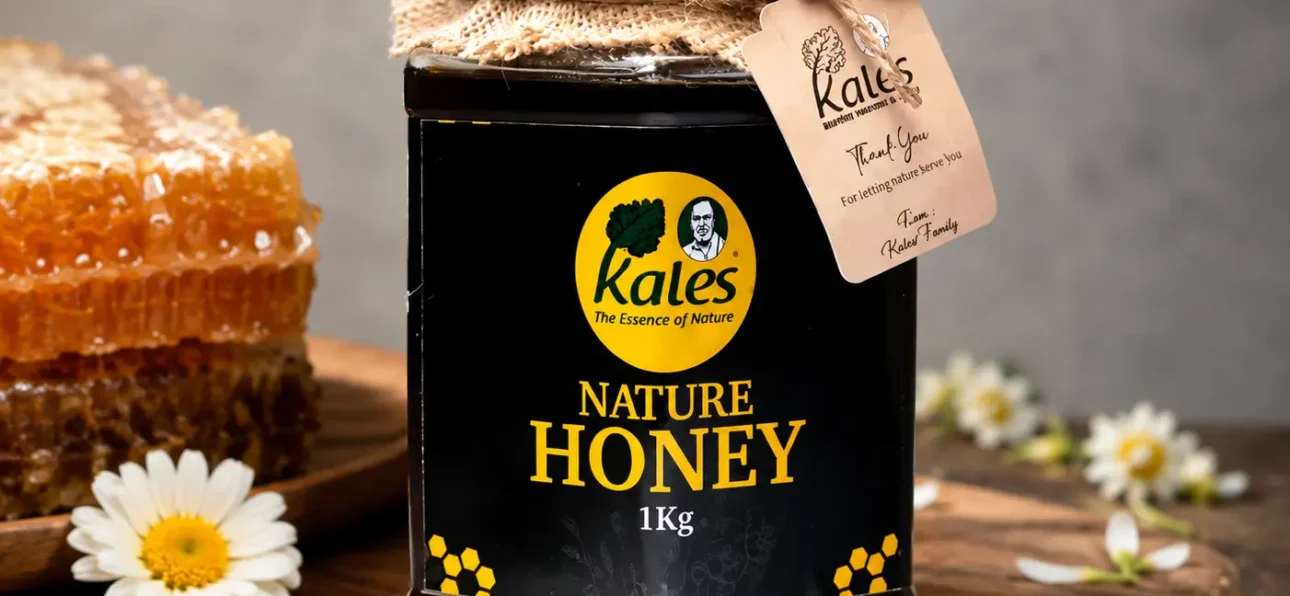
The safest approach is simple: look for transparency and evidence, not just marketing words. That’s the standard Kales aims to follow with its raw, small-batch honey sourced from Kerala.
Ready to compare the product for yourself?
Disclaimer: This article is for general information only. Home tests cannot scientifically confirm honey purity. For reliable verification, check product labels, applicable food-safety standards and credible laboratory testing.
Comments are closed.
1 Comment
[…] Serve Hot: Gently push out the puttu onto a serving plate using a wooden skewer. Pair with kadala curry, banana, or a drizzle of pure organic honey. […]