
Is Poha Good for Weight Loss? Calories, Fiber, Portion Size & Healthy Tips
Nutritional & Editorial Note: Reviewed by Registered Dietitian. Last updated: September 2026. Raw nutritional data sourced from the Indian Food Composition Tables (IFCT, ICMR-NIN).
When you start a weight loss journey, breakfast often becomes your biggest puzzle. You want something light, quick to make, and filling enough to keep you away from mid-morning snacks. Naturally, poha (known as aval in Kerala) tops the list of popular choices.
But is poha good for weight loss, or is it just another carb-dense dish wrapped in a healthy reputation?
To make informed choices, we need to look past assumptions and review the numbers: calories, fiber, portion control, and how flattened rice fits into a calorie-conscious diet.
Is Poha Good for Weight Loss? Quick Answer
Yes, poha can fit into a weight-loss diet, but its overall effect depends on portion size, cooking oil, added ingredients, and the total calorie and protein balance of your meal. By itself, flattened rice provides accessible carbohydrates with minimal fat, making it a versatile base when combined with fiber-packed vegetables and clean protein sources.
Poha Calories and Nutrition Breakdown
Understanding energy density helps you manage daily calorie budgets without cutting out traditional staples.
Nutritive Element | Raw Dry Poha (Per 100g) | Estimated Cooked Veggie Bowl (~150g Serving) |
Calories | ~340-350 kcal | ~150-180 kcal |
Carbohydrates | ~77g | ~30g-33g |
Dietary Fiber | ~2g-4g | ~2g-3.5g |
Protein | ~6g-7g | ~3g-5g |
Fat | ~1g | ~3g-5g |
Raw poha values are based on ICMR-NIN data; cooked values are estimated based on a standard preparation using minimal oil and mixed vegetables. Actual values vary with specific preparation methods.
A simple homemade bowl cooked with controlled oil delivers roughly 150 to 180 calories, offering a manageable energy intake compared to heavily fried morning options.
Is Red Poha Better Than White Poha?
When evaluating poha nutrition for weight loss, grain processing plays an important role.
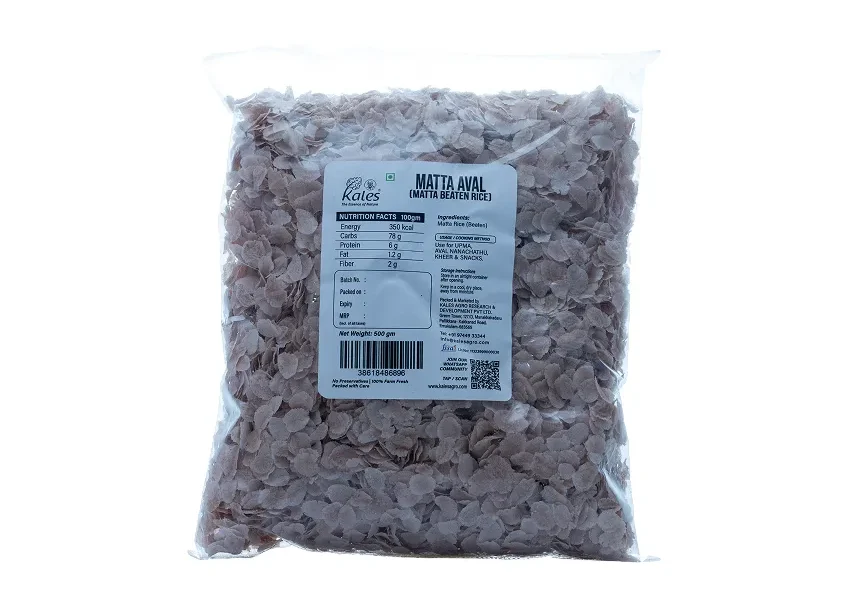
Depending on how they are processed, unpolished red aval (made from red rice) and brown rice poha generally retain more of their natural bran layer compared to heavily polished white varieties.
- Polished White Poha > Lower Fiber Content > Standard Digestion
- Red / Brown Aval > Retains Outer Bran > May Support Greater Fullness
Why Fiber Supports Daily Meal Planning
- Promotes Satiety: Fiber adds meal volume and supports digestive health, helping you feel satisfied.
- Balanced Energy Release: Complex carbohydrates are absorbed gradually, helping avoid sharp energy crashes.
Looking to upgrade your daily fiber?
Explore Aval Options for everyday cooking
How Much Poha Should You Eat for Weight Loss?
Portion needs are individual and depend on factors including body size, activity level, and overall calorie targets. However, managing your poha portion size for weight loss keeps your intake on track.
- Practical Starting Portion: Start with 40-50 grams of dry poha per meal. (Note: Cooked volume varies depending on flake thickness, water absorption, and added vegetables).
- Balanced Plate Approach: A practical strategy is to pair a moderate serving of poha with an equal volume of vegetables like green peas, carrots, capsicum, and onions.
How to Make Poha More Weight-Loss Friendly
Poha is primarily a carbohydrate food, so pairing it with protein, vegetables, and nutrient-dense ingredients creates a more balanced meal. Try these meal-building tips for your poha for breakfast for weight loss:
- Add Quality Protein: Toss in boiled green gram, roasted chana, or paneer cubes to support muscle recovery and extend satiety.
- Control Added Fats: Stick to 1 teaspoon of cold-pressed oil per serving. Go easy on calorie-dense toppings like fried peanuts or grated coconut.
- Enhance Micronutrient Absorption: Squeeze fresh lemon juice over cooked aval before serving. Vitamin C aids plant-based iron absorption from iron-roller processing.
Poha vs Other Popular Breakfast Foods
Comparing flattened rice with common morning options illustrates how is poha good for dieting in daily rotations:
Breakfast Choice | Approximate Calories | Key Factors Affecting Total Calories |
Vegetable Poha | ~150-180 kcal | Cooking oil, peanuts, added vegetables, portion size |
Plain Paratha (1 medium) | ~180-200 kcal | Type of flour, ghee/oil used during cooking |
Buttered Toast (2 slices) | ~200-220 kcal | Type of bread, amount of butter applied |
Idlis with Sambhar (2 idlis) | ~180-200 kcal | Size of idlis, coconut or oil content in sambhar |
Nutritional content varies based on specific home recipes and portion sizes.
Healthy Poha Recipe for Weight Loss (High Fiber & Protein)
Ingredients:
- 40-50g Aval (Poha)
- 1/2 cup finely chopped mixed vegetables (carrots, peas, capsicum)
- 2 tbsp boiled green gram sprouts
- 1 tsp mustard seeds and curry leaves
- 1 green chili (optional)
- 1/2 tsp turmeric powder
- 1 tsp cooking oil
- Lemon juice and coriander leaves for garnish
Steps:
- Place aval in a colander, rinse gently under cold water for 20 seconds, and drain thoroughly. Do not soak.
- Heat 1 tsp oil in a pan. Add mustard seeds, curry leaves, and green chili.
- Add vegetables and boiled sprouts; saute on medium heat for 3-4 minutes until tender-crisp.
- Stir in turmeric powder and a pinch of salt.
- Gently fold in the rinsed red aval. Cover and steam on low heat for 2 minutes.
- Remove from heat, squeeze lemon juice over top, and garnish with fresh coriander.
Ready to try this recipe with traditional ingredients?
Shop Traditional Aval for This Recipe
Does Poha Cause Weight Gain?
Poha itself does not automatically cause weight gain. Weight change depends on overall daily energy balance. Consuming portions that consistently exceed your daily energy needs can contribute to weight gain over time, especially if prepared with excessive oil, butter, or fried toppings like sev.
Can You Eat Poha Every Day?
Poha can be included regularly in a varied diet, provided your overall meals meet your daily nutritional requirements. Rotating your protein additions-such as using sprouts one day and boiled legumes or eggs the next, helps ensure a balanced diet.
Frequently Asked Questions
How many calories are in one bowl of poha?
A standard 150g bowl of cooked vegetable poha prepared with minimal oil contains approximately 150 to 180 calories.
Is red poha better than white poha for weight loss?
Red poha generally retains more dietary fiber and natural bran layer than heavily polished white varieties, which may help support greater fullness.
Choosing Quality Ingredients for Your Kitchen
When building a sustainable diet, comparing processing methods and product freshness matters. Unpolished grains, such as traditional red and brown rice flattened flakes, offer rich natural flavor and retain their natural fiber layers.
If you prefer traditional, minimally processed staples to support your healthy lifestyle, you can buy Poha online in Kerala through Kales. Freshly prepared traditional grains make everyday family meals simple, nourishing, and authentic.
Sources & References
- Indian Food Composition Tables (IFCT), ICMR – National Institute of Nutrition (NIN).
- Dietary Guidelines for Indians, ICMR – National Institute of Nutrition.